COGNITIVE DESIGN PROCESS
From 10+ shipped videogames and apps to 5+ years of professional development;
or from backend production for events and venues to 30+ acting credits and performances to audiences of 5k+;
my Cognitive Design Process remains the same as an experience designer and creative strategist.
It's constantly evolved in my interdisciplinary exploration- and I'm enthusiastic to see what it becomes next as I learn and continue my young career.
Worldbuilding
Defining the 'set of conditions for the possibility of success'
Carefully understanding the problem or opportunity from multiple angles.
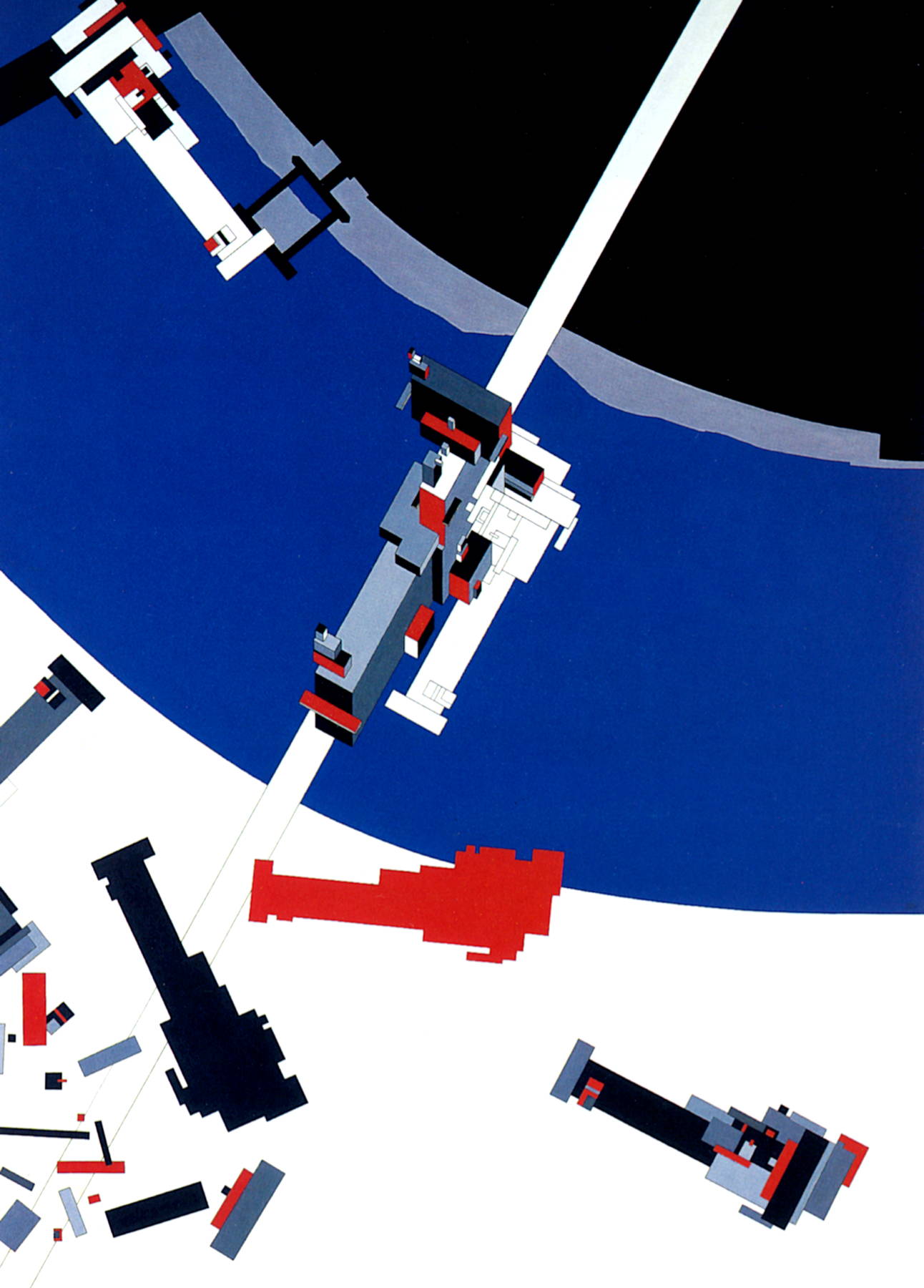
Think about Thinking
'Empathetic Design' using Cognitive Science's 'what's it like?' principle
Good experiential design addresses Step 1's "world," through careful study of users' behaviors in and expectations of that medium and possible cognitive subversions of that. It's why my work is inherently interdisciplinary, and is focused on making the audience feel, atop the traditional "show don't tell."

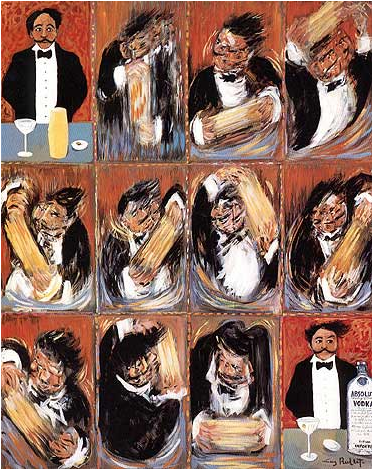
Move Fast and Break Things
Per Steve Jobs, prototype rapidly and kill your darlings
Prototypes need to evoke that final experience and evoke that feeling, regardless of medium-matching. Cardboard can be a videogame, or a conference room a concert hall.
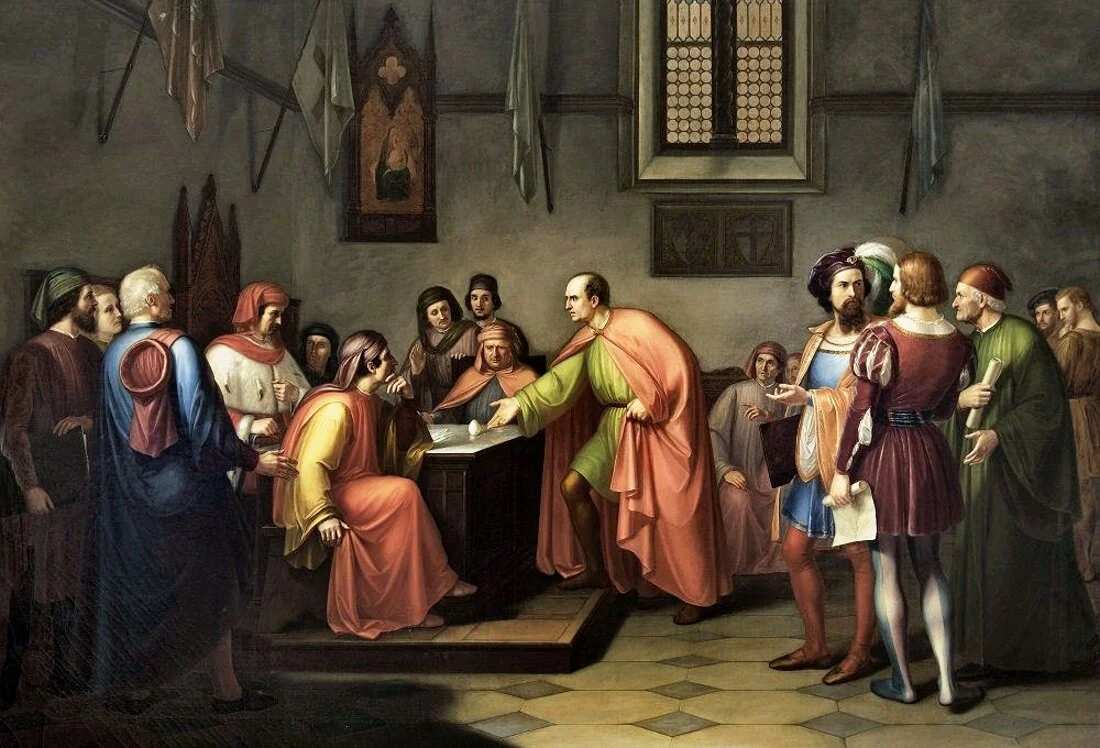
Simulate and Test
With some experience, give it to the audience as early as possible
Base usage needs to be intuitive, diegetic, and joyful. At this stage, my biggest inspirations are Mario, Disneyland, and Apple. Listen to what the audience says, but pay even more attention to what they do.
Bridge Building
Analyze what the user tried to do versus what they did
Design microinteractivity to make evaluating what can be done easier. Redesign macrointeractivity to make executing what you want to do better. Don't address questions by explaining, make sure they never arise.

Fresh Produce
You have to deliver eventually
Communicate what you have. Don't wait for perfection but get to great, then brand a simple yellow circle as pac-man. Polish microinteractivity: it's those tiny decisions that make the professional-feeling versus the 'incomplete'.
See the Process in Action
Explore my portfolio to see how this methodology creates user-focused, subconsciously powerful experiences.